
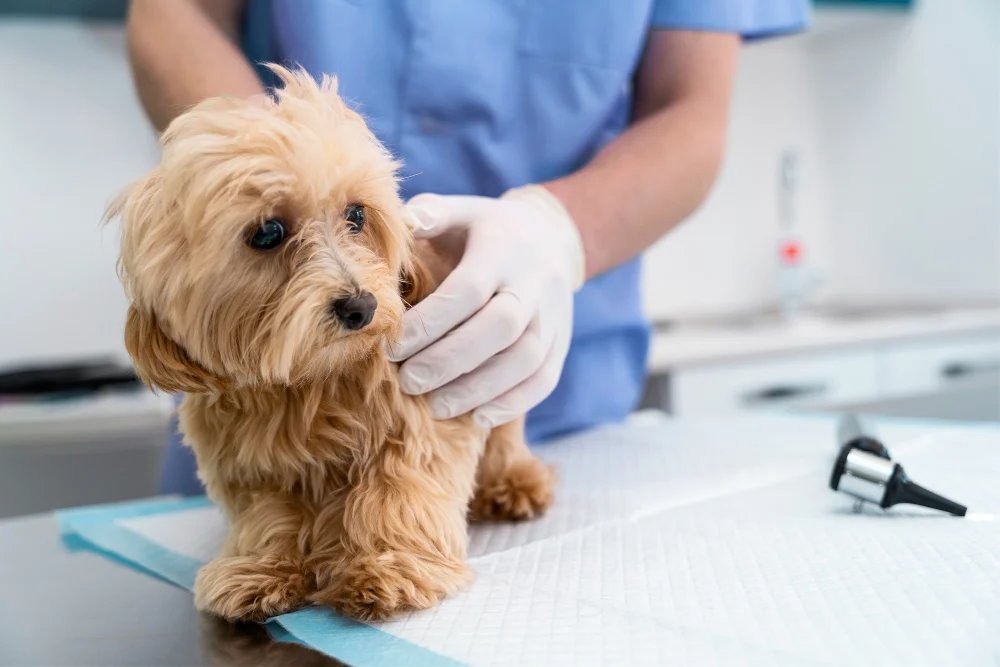
Answers When Your Pet’s Blood Counts Don’t Add Up
Bloodwork can show that something is wrong with your pet’s red cells, white cells or platelets, but it can’t always explain why. Bone marrow evaluation looks at where those cells are made. At West Texas Veterinary Specialist, our board-certified internal medicine specialist performs bone marrow aspirates and biopsies for dogs and cats in Lubbock and across West Texas. Your family veterinarian gets the detailed information needed to reach a diagnosis and build a treatment plan.
Book OnlineWhy Bone Marrow Testing Is Recommended
The bone marrow is your pet’s blood cell factory. When blood tests show cells that are too low, too high or abnormal, sampling the marrow shows whether the problem starts in production or happens after the cells enter the bloodstream. Your veterinarian may recommend a bone marrow evaluation when your pet has:
- Pancytopenia, which is a drop in all major blood cell types
- Severe non-regenerative anemia, where the body isn’t replacing lost red blood cells
- Unexplained low platelet or white blood cell counts
- Abnormal or immature cells seen on a blood smear
- Suspected leukemia, lymphoma, multiple myeloma or other cancers that can involve the marrow
- Elevated calcium or protein levels without a clear cause
- A fever of unknown origin or suspected infection affecting the marrow
For pets with cancer, a bone marrow sample can also help with staging. Staging shows whether the disease has spread and helps guide decisions made with our veterinary oncology service.
Aspirate vs. Biopsy: What’s the Difference?
The two samples answer different questions, and they are often collected during the same procedure.
- Bone marrow aspirate: A small amount of liquid marrow is drawn out through a needle. A pathologist examines the individual cells to judge how they are developing and whether abnormal cells are present.
- Bone marrow core biopsy: A small solid sample of marrow is collected. It shows the overall structure of the marrow, how full of cells it is, and changes such as scarring (fibrosis) or tumor infiltration that an aspirate can miss.
A complete blood count is usually run on the same day so the marrow findings can be compared directly with the cells circulating in the blood.
What Happens During the Procedure
Bone marrow sampling is a quick, minimally invasive procedure. Our specialist can perform it at your veterinarian’s hospital. Your pet’s comfort is a priority at every step:
- Sedation and pain control: Heavy sedation and a local anesthetic keep your pet relaxed and comfortable.
- Sample site: The sample is most often collected from the top of the upper arm bone near the shoulder. A site on the pelvis may be used if needed.
- Collection: A small area of skin is clipped and cleaned. A specialized needle is then used to collect the aspirate and, when indicated, the core biopsy.
- Low risk: The risk of bleeding is very low, even in many pets with low platelet counts.
Recovery and Results
Most pets go home the same day once they’ve woken up from sedation. You may notice mild soreness or a small mark at the sample site for a day or two. Keep the area clean and limit vigorous activity for a short time. Cytology results from the aspirate usually come back sooner. Biopsy results take a little longer because the tissue needs additional processing. Our specialist reviews the findings and shares a clear plan with your family veterinarian, so your pet’s care continues without gaps.
Bone Marrow Aspirate & Biopsy FAQs
Why would my pet need a bone marrow aspirate or biopsy?
It is usually recommended when bloodwork shows unexplained low, high or abnormal blood cells, such as pancytopenia or severe non-regenerative anemia. It is also used to look for or stage cancers that can affect the marrow.
Is the procedure painful for my dog or cat?
Your pet receives heavy sedation and a local anesthetic, so they stay comfortable during sampling. Some pets have mild soreness at the site for a day or two afterward.
Where on the body is the sample taken?
The sample is most commonly collected from the upper arm bone near the shoulder. A site on the pelvis may be used instead when needed.
How risky is bone marrow sampling?
It is considered a low-risk procedure. The risk of bleeding is very low, and sedation is tailored to your pet’s overall health.
What is the difference between an aspirate and a core biopsy?
An aspirate collects liquid marrow to examine individual cells. A core biopsy collects a small solid piece that shows the marrow’s structure and cell content. The two are often performed together for the most complete picture.
How long does it take to get results?
Aspirate results usually return within a few days. Biopsy results take a bit longer because the tissue requires additional processing before it can be examined.
How do I schedule a bone marrow evaluation in Lubbock?
Our practice works by referral. Ask your family veterinarian to refer your pet to West Texas Veterinary Specialist, or call with questions about the process.
Get Clear Answers About Your Pet’s Blood Health
If your veterinarian has recommended a bone marrow evaluation, our team is ready to help. Ask your veterinarian to refer your pet, call us at , or visit our Frequently Asked Questions page to learn more about referrals, scheduling and what to expect.