
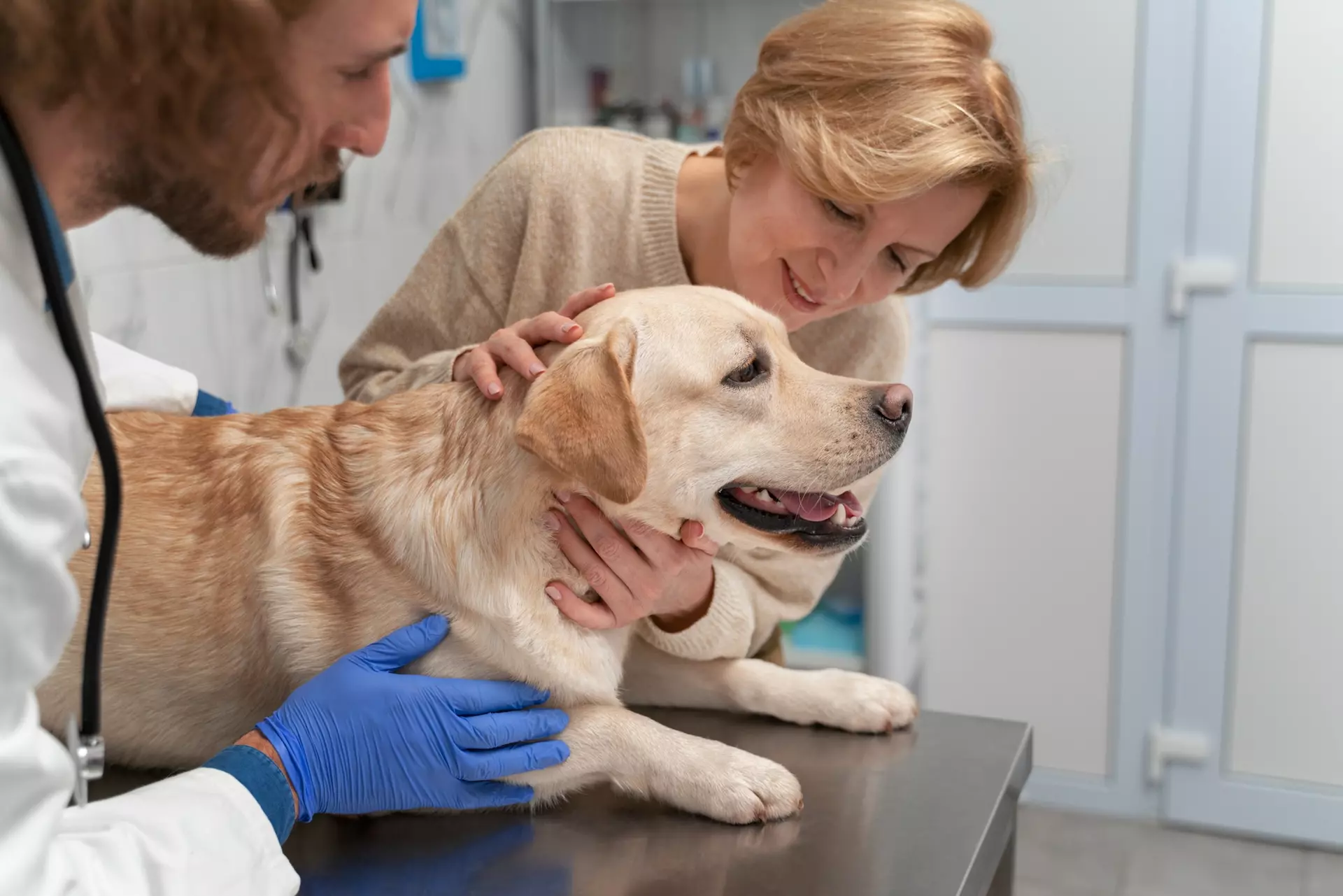
Specialized Answers When Your Pet Is Facing Cancer
Oncology is the field of veterinary medicine focused on the diagnosis and treatment of cancer. It covers both benign and malignant tumors, which can occur anywhere in the body. Depending on the type and location of the tumor, a variety of treatment options may be available, and veterinary oncologists are the leading experts in choosing the most appropriate plan for each patient. At West Texas Veterinary Specialist in Lubbock, TX, our board-certified oncologist works with your family veterinarian to give dogs and cats across Lubbock and West Texas access to advanced cancer care close to home.
Book OnlineWhat Veterinary Oncology Covers
Cancer treatment in companion animals is a rapidly advancing area of medicine. Our board-certified veterinary oncologist stays at the forefront of research and innovation to provide state-of-the-art therapies for her patients at West Texas Veterinary Specialist. A veterinary oncologist focuses on three main goals: identifying exactly what type of cancer a pet has, determining how far it has spread, and building a treatment plan that balances the best possible outcome with a good quality of life.
Pets are often referred to an oncologist after their primary veterinarian finds a lump, an abnormal blood result or a concern on X-rays or ultrasound. Common cancers seen in dogs and cats include:
- Lymphoma
- Mast cell tumors
- Soft tissue sarcomas
- Osteosarcoma (bone cancer)
- Hemangiosarcoma
- Melanoma and other oral tumors
- Bladder, liver, spleen and intestinal tumors
- Leukemia and other blood cancers
How Cancer Is Diagnosed and Staged
An accurate diagnosis is the foundation of every cancer treatment plan. Your pet’s evaluation may include a physical exam, bloodwork, fine needle aspirates or biopsies, and imaging such as ultrasound, X-rays or CT. Staging tests show whether the cancer is confined to one area or has spread to lymph nodes, organs or bone marrow. Many of these tests can be performed through our ultrasound-guided aspirates and biopsies and other advanced diagnostic services.
Treatment Options for Pets With Cancer
There is no single approach to cancer in pets. Depending on the diagnosis, an oncologist may recommend:
- Chemotherapy, which most pets tolerate far better than people do
- Surgery to remove or reduce a tumor
- Radiation therapy, coordinated with a radiation facility when needed
- Targeted therapies and immunotherapy for certain cancer types
- Palliative care to control pain and keep your pet comfortable
Our goal is always quality of life. Many pets continue eating, playing and enjoying time with their families throughout treatment. Learn more about our veterinary oncology services.

What It Takes to Become a Board-Certified Veterinary Oncologist
To become a board-certified veterinary oncologist, a veterinarian must complete extensive post-graduate training, including at least a one-year internship followed by a three-year residency in oncology. They must also pass two comprehensive board examinations and publish a clinical research paper in a peer-reviewed medical journal. Only after completing these requirements can a veterinarian earn the title of board-certified veterinary oncologist. Our oncologist, Dr. Avenelle Turner, DVM, DACVIM (Oncology), brings this level of expertise to pets throughout West Texas.
Working Together With Your Family Veterinarian
West Texas Veterinary Specialist is a referral practice. Your primary veterinarian remains an important part of your pet’s care team. After your pet’s consultation, our oncologist shares findings and treatment recommendations with your veterinarian so everyone stays informed and your pet receives consistent, coordinated care. For some cases, teleoncology consultations allow your veterinarian to get specialist input quickly. If you are concerned about a possible cancer diagnosis, ask your veterinarian about a referral or call us at .
Questions About Veterinary Oncology
What does a veterinary oncologist do?
A veterinary oncologist is a specialist who diagnoses and treats cancer in animals. They determine the exact type and stage of a tumor, explain the available options and create a treatment plan tailored to each pet’s needs and quality of life.
Do I need a referral to see the oncologist?
Yes. West Texas Veterinary Specialists works on a referral basis. Your primary veterinarian can send your pet’s records and test results to us, and we will coordinate the consultation with you and your veterinarian.
Is chemotherapy hard on dogs and cats?
Most pets handle chemotherapy much better than people. Doses are chosen to control the cancer while keeping side effects mild, and many pets continue their normal routines during treatment. Any side effects are monitored closely and managed quickly.
Can cancer in pets be cured?
Some cancers can be cured, especially when they are found early and can be completely removed. Others can be controlled for months or years with treatment. The oncologist will explain the realistic outlook for your pet’s specific diagnosis.
What tests are used to diagnose cancer in pets?
Diagnosis often involves bloodwork, fine needle aspirates or biopsies, and imaging such as ultrasound, X-rays or CT. These tests identify the type of cancer and show whether it has spread, which guides treatment decisions.
What if I choose not to pursue aggressive treatment?
That is a valid choice. Palliative care focuses on pain control, appetite and comfort so your pet can enjoy the time it has. The oncologist will help you understand every option, from full treatment to comfort-focused care.
Where is the practice located?
West Texas Veterinary Specialists is based in Lubbock, Texas, and serves pets referred from across West Texas. Office hours are Monday through Friday, 8:30am to 5:30pm.