
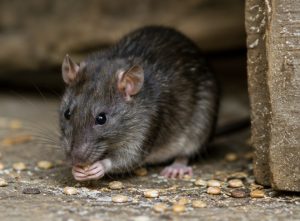
 Across West Texas, rodent exposure is a common part of rural life. Farms, ranches, barns, feed storage areas, tack rooms, sheds, and outdoor kennels can all attract mice and rats — especially during warmer months or periods of drought.
While many pet owners think of rodents primarily as a nuisance, they can also expose both pets and people to a variety of health risks.
At West Texas Veterinary Specialists (WTVS), we frequently remind pet owners and referring veterinarians that prevention and awareness are important parts of protecting pet health in rural environments.
Why Rodent Exposure Matters
Rodents can contaminate areas with:
- Urine
- Feces
- Saliva
- Nesting materials
Pets may encounter rodents while exploring barns, feed rooms, garages, outdoor structures, or ranch properties.
Although diseases such as hantavirus primarily affect humans and transmission to dogs and cats appears uncommon, rodents can still contribute to a variety of health concerns for both pets and owners.
In addition, rodent activity may expose pets to:
- Secondary poisoning risks
- Intestinal parasites
- Bacterial contamination
- Injuries from hunting or ingestion
- Exposure to toxic rodenticides

Common Risk Areas in West Texas
Rodent exposure is particularly common around:
- Feed storage areas
- Horse barns
- Grain storage
- Outdoor dog runs
- Ranch properties
- Chicken coops
- Garages and sheds
- RV or equipment storage buildings
Seasonal weather changes, drought, and agricultural activity may increase rodent movement into structures.
Signs Your Pet May Have Had Rodent Exposure
Many pets exposed to rodents never become ill, but owners should monitor for:
- Vomiting
- Diarrhea
- Lethargy
- Decreased appetite
- Neurologic abnormalities
- Excessive bleeding or bruising (possible rodenticide exposure)
If your pet is known or suspected to have ingested a rodent or rodent poison, veterinary evaluation is recommended.

Practical Prevention Tips
Pet owners can help reduce rodent exposure by:
- Storing feed and pet food in sealed containers
- Limiting access to barns and feed rooms
- Cleaning rodent-contaminated areas carefully
- Avoiding accumulation of debris or nesting areas
- Working with pest control professionals when needed
- Preventing pets from hunting or ingesting rodents
When cleaning rodent-contaminated areas, avoid sweeping or vacuuming dry droppings. Wet the area first and use gloves and appropriate protective equipment.
The Importance of Veterinary Collaboration
Many illnesses associated with toxin exposure, infectious disease, or chronic gastrointestinal signs may initially appear vague or nonspecific.
At WTVS, we work alongside referring veterinarians throughout West Texas to help evaluate complex internal medicine cases and provide advanced diagnostic support when needed.
Referral-Based Specialty Care Across West Texas
Rodent exposure is a common part of life across many rural West Texas properties, but awareness and prevention can significantly reduce risk for both pets and people.
If your pet develops unexplained vomiting, lethargy, decreased appetite, neurologic signs, or possible toxin exposure after contact with rodents, prompt veterinary evaluation is important.
West Texas Veterinary Specialists works alongside referring veterinarians throughout the South Plains, Permian Basin, Panhandle, and surrounding communities to help evaluate complex internal medicine cases and provide advanced diagnostic support when needed.
Learn more about our: